An User Experience Manager, Researcher & Tester.


Discover interaction patterns and behavioural differences for Europe
📌 PROJECT SCOPE
-
Client: Encoy, a local startup
-
My Role: UX Manager, Researcher & Lead Tester
-
Methods: Management, Usability Testing, Prototyping, Competitive Analysis, Subject-Matter-Expert Interview
🚀 CLIENT KICKOFF
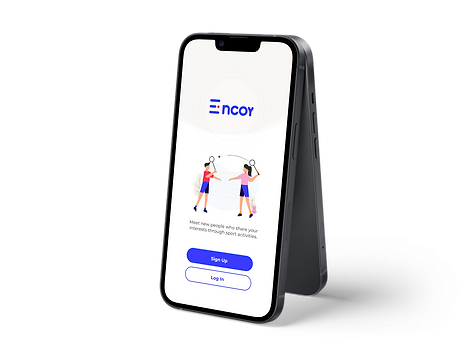
Encoy is an international mobile application connecting players for gaming and sports with its long-term goal to enhance health and fitness of users.
🔎 OBJECTIVES
1. Managing the team to reach objectives
2. Understand interaction patterns and interview people who knew first-hand the major differences as well as understand the behavioural differences
3. Developed diverse Personas identifiying our users
✏️ NOTES
At the time of my assessment, the team was already in the designing process of the application. Shortly after, Encoy released their app on TestFlight and has since launched in multiple locations in Europe.
Tools


Challenges
During the project I wore many heads, such as the UX manager, researcher, and lead tester. For Encoy's international mobile application steering the team towards achieving objectives involved overcoming multifaceted challenges. Coordinating a global team, including members in the Middle East, added layers of complexity to the project. A specific challenge arose during collaboration with a startup that had initiated the design process for a mobile app targeting Portugal and Europe. Initially, the user feedback collected leaned heavily towards the Middle East, emphasizing the need to shift the focus to Europe. Navigating this transition required not only managing the team effectively but also understanding the distinct behavioral differences arising from digital interactions in Europe. Balancing the cultural nuances between the Middle East and Europe became a pivotal challenge, necessitating a nuanced approach to research and design adjustments.
Process
The strategic process involved managing the team to address these challenges while conducting thorough usability testing, prototyping, and competitive analysis. An example from a startup project highlighted the need to refine user insights for Europe. This prompted a deeper dive into understanding interaction patterns through direct interviews with individuals familiar with the digital touchpoints in Europe. The feedback gathered led to significant adjustments, such as reworking on-screen elements like buttons and text, ensuring alignment with European preferences. Additionally, the experience emphasized the importance of creating culturally specific personas, reflecting Portugal and Europe's sports and trends. This example underscored the crucial role of adapting the UX process based on regional distinctions, ultimately informing the development of Encoy's mobile application to be more attuned to the cultural specifics of its target audience.
Results
The result was a finely calibrated mobile application that not only connected global users but also resonated specifically with the Portugal/Europe audience. The management strategies implemented during this phase ensured that the team successfully pivoted to address the regional shift in focus. The inclusion of the startup example demonstrated the adaptability of the UX process, highlighting the importance of tailoring interaction patterns to specific cultural contexts. The adjustments made, from on-screen elements to persona development, reflected a nuanced understanding of European digital touchpoints. The final outcome was an application that not only met international usability standards but also seamlessly integrated with the behavioral expectations of the Portugal/Europe user base. The ability to incorporate regional insights showcased the project's adaptability and reinforced the principle that understanding the user is a dynamic, context-dependent endeavor.